
by Peter Lauria
Customer experience gets talked about a lot. Especially by me since it’s my core keynote speaking topic, but specifically by businesses that are on a solid growth path. Most of the time, it’s framed as a loyalty program, a smoother checkout flow, or a better app. Those things matter, but they barely scratch the surface of what great customer experience can be. If you want to see customer experience done right, don’t start with tech companies or digital-first brands. Start with the hospitality industry. Let’s explore why.
Hotels, resorts, and high-end restaurants have spent decades refining how to make people feel welcomed, understood, and cared for. Not efficiently processed. Not “satisfied.” Genuinely looked after. (We talk more about this in the Weiwood Group blog post Why Empathy Defines Great Customer Experience).
The interesting part is this (retail and service businesses, pay attention): almost none of what hospitality does well is exclusive to hotels. The techniques are portable. A retail store, a neighborhood bakery, or even a regional insurance firm can use the same thinking and get real results. Not theoretical brand lift. Actual revenue, loyalty, and differentiation.
Pique your interest? I sure hope so. Let’s talk about what hospitality gets right, why it works, and how other industries can apply it in practical ways.
Why hospitality is different
Hospitality businesses live or die by repeat customers and word of mouth. A hotel stay is rarely a one-time transaction. Guests come back, recommend the property, or actively warn others to stay away.
Because of that, hospitality learned early that experience is the product. A lesson, I would suggest, that all business make note of.
A hotel room can be copied. A menu can be replicated. What’s harder to copy is how a guest feels from the moment they walk in to the moment they leave.
Several core principles drive this mindset:
-
- Anticipation instead of reaction
-
- Personal recognition over generic service
-
- Emotional outcomes, not just functional ones
-
- Empowered frontline staff
These principles show up everywhere in hospitality, from five-star hotels to well-run midscale chains.
For example, according to Forbes Travel Guide, properties that consistently earn high service ratings train staff to observe, not just respond. The goal is to notice needs before the guest asks.
That approach changes everything.
The business case for better experience
Before we get into examples, it’s worth grounding this in data. Customer experience isn’t a “nice to have.” It’s a growth driver.
Just take a look at these widely cited metrics:
-
- PwC states strong experiences can command up to a 16% price premium (varies by industry).
-
- Salesforce reports that 88% of customers say the experience a company provides is as important as its products or services. In fact, poor experiences drive churn even when pricing is competitive
-
- Harvard Business Review reports that increasing customer retention rates by 5% can increase profits by 25% to 95%, depending on the industry
Hospitality internalized these truths long ago. Many other industries still treat them as aspirational. Yours can be the business that pays attention.
Hospitality technique #1: Anticipation beats efficiency
Most businesses optimize for efficiency. Hospitality optimizes for anticipation.
In a hotel, staff are trained to notice patterns:
-
- A guest who asks for extra towels on day one will likely want them again tomorrow
-
- A family traveling with young kids may appreciate a room closer to elevators
-
- A business traveler checking in late might value speed over small talk
The goal is not to wait for requests. It’s to reduce friction before it appears.
What this looks like in retail
Imagine a clothing store that tracks more than purchase history. Staff notice that a customer always gravitates toward a specific fit or brand. The next time they walk in, an associate says:
“We just got a new shipment from the brand you usually like. Same cut you bought last season.”
No algorithm announcement. No CRM talk. Just awareness.
This works because it mirrors what hospitality does with returning guests. Recognition signals care.
According to McKinsey & Company, personalization can reduce acquisition costs by up to 50% and increase revenues by 5–15%
Retail doesn’t need more tech to do this. It needs better observation and permission for staff to act on it. Although most CRM systems in use can help with tracking these details, it’s what you do with that information that matters. There’s value in just knowing your customers.
Hospitality technique #2: Train for judgment, not scripts
In hospitality, scripts are a baseline. Judgment is the goal.
The best hotels empower employees to make small decisions on the spot. That might mean comping a drink, offering a late checkout, or personally walking a guest to where they need to go (which I have experienced myself in a handful of stores I have been to – it definitely makes for a pleasant experience).
Why does this matter? Because customers don’t experience policies. They experience moments. And those gestures create memorable moments that people share with their friends and family.
Applying this to a local bakery
Let’s say a regular customer orders a cake for a birthday. When they arrive, the decorator realizes there’s a small error in the lettering. It’s minor, but noticeable.
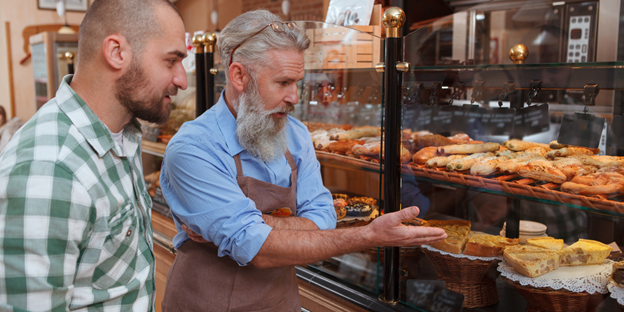
A hospitality-trained response might look like this:
-
- Acknowledge the mistake without defensiveness
-
- Offer a genuine apology
-
- Provide a small but thoughtful gesture, like a discount or a complimentary pastry
No manager approval needed. No policy review. Just a human decision.
According to Zendesk, 66% of customers say that valuing their time is the most important thing a company can do to provide good service
Judgment-driven service respects time. Scripts rarely do.
Hospitality technique #3: The experience starts before the transaction
Hotels think deeply about arrival. For example, the check-in process is not just paperwork, it’s the emotional transition from outside world to guest space.
This is where many non-hospitality businesses miss the mark. They treat the transaction as the start of the experience. Hospitality treats it as the middle.
What this looks like in an insurance firm
Insurance is not known for warmth. But it could be.
Imagine a regional insurance firm that applies hospitality thinking:
-
- New clients receive a welcome call that explains what to expect, not just what they bought
-
- Renewal notices are framed as check-ins, not invoices
-
- Claims representatives introduce themselves by name and explain next steps clearly
This isn’t about being cheerful (although that helps too). It’s about reducing anxiety. Most insurance agencies I have worked with already do this (kudos to them), but surprisingly many do not.
According to J.D. Power, emotional satisfaction is a stronger driver of loyalty in insurance than price alone.
Hospitality understands that personal service increases a customer’s comfort level with a business.
Hospitality technique #4: Design for emotion, not just function
Hotels design spaces intentionally. Lighting, scent, sound, and layout all serve a purpose.
Most other businesses design for throughput.
Retail example
A retail store that borrows from hospitality might:
-
- Slow down the entrance experience instead of pushing promotions immediately
-
- Use warmer lighting in browsing areas and brighter light at checkout
-
- Train staff to give customers space before approaching

These are small changes, but they change how the store feels. To understand this think about two different extremes. Compare your average local dollar store with something like The Disney Store. Both serve their intended purpose, however, one is strictly functional where most people get in and get out, the other is specifically designed to keep people there browsing. Where does your business sit within that spectrum?
According to International Journal of Retail & Distribution Management, store atmosphere has a measurable impact on dwell time and average transaction value.
Hospitality knows that people spend more when they feel comfortable, not rushed.
Hospitality technique #5: Consistency builds trust
One of hospitality’s biggest strengths is consistency. A guest expects the same standard of service every visit.
That consistency is not accidental. It’s trained, measured, and reinforced.
Bakery example (yes, I like bakeries)
While a local bakery might think that consistency is all about the recipes, hospitality would argue that it’s also about interaction.
-
- Are customers greeted the same way every morning?
-
- Is the ordering process predictable and calm, even during rushes?
-
- Do regulars feel recognized, even when the staff changes?
According to Accenture, 91% of consumers are more likely to shop with brands that recognize, remember, and provide relevant offers.
Consistency creates safety. Safety creates loyalty. Customers know what to expect, and if they liked it once, they’ll like it again next time.
Hospitality technique #6: Measure what actually matters
Hospitality doesn’t just measure satisfaction. It measures likelihood to return, likelihood to recommend, and emotional sentiment. I’ve been promoting this to my customers for years.
Many industries over-rely on transactional metrics: speed, volume, cost per interaction. Those are important, to be sure, but they provide an incomplete picture.
Hotels additionally often use guest feedback to identify “moments of truth.” Think of these as touchpoints that disproportionately influence overall perception.
Applying this to retail or insurance
Instead of asking, “Was your issue resolved?” hospitality-inspired businesses ask:
-
- “Did we make this easy?”
-
- “Did you feel understood?”
-
- “Would you choose us again?”
According to Qualtrics, companies that track emotional drivers alongside operational metrics are more likely to see improvements in loyalty and lifetime value. Tapping into these emotional drivers is what makes a business what I call “buzzworthy”. People talk about the experience to other people, organically driving even more traffic. (Read more about the science of emotional drivers on the Weiwood blog post The Emotional Science Behind Customer Loyalty and Brand Advocacy).
Ultimately, what you measure shapes what you improve.
Why this creates differentiation
The reality is this: while most industries compete on similar products, similar pricing, and similar marketing, hospitality instead competes on memory.
People remember how they were treated. They remember how easy or difficult something felt. They remember whether someone cared enough to notice.
When a retail store, bakery, or insurance firm adopts hospitality techniques, they stand out precisely because so few competitors do.
That differentiation compounds over time:
-
- Higher repeat business
-
- More referrals
-
- Greater tolerance when things go wrong
According to American Express, customers who have had a positive experience are more likely to forgive a mistake and continue the relationship.
Hospitality has always known this. Other industries are just catching up.
How about some real-world examples
Nothing can prove these points more than actual use cases of businesses that put them into practice. Below are three real-world examples of businesses outside traditional hospitality that deliberately borrowed hospitality-style techniques and saw meaningful results. Each one maps directly to one of the six techniques outlined earlier and shows how these ideas work in practice, not theory.
1. Anticipation beats efficiency
Example: Nordstrom
Nordstrom’s reputation for exceptional customer service isn’t accidental. Part of the company’s strategy has been building long-term relationships rather than focusing on one-off transactions. One visible outcome of that approach is the behavior of its loyalty members: according to reporting on Nordstrom’s loyalty program, active loyalty customers spend about four times more and shop three times as often than non-members.
This pattern reflects what happens when sales associates observe and act on customer preferences, anticipate needs, and create meaningful, personalized interactions. In other words, similar to what a hotel concierge might do. That relationship-based service model has helped Nordstrom maintain engagement with its customer base even as the retail landscape has become more competitive.
This anticipatory model has paid off. Nordstrom consistently ranks at the top of retail customer satisfaction indexes, and loyal customers spend significantly more over time. Repeat customers account for the majority of Nordstrom’s annual revenue, reinforcing that anticipation drives long-term value, not just efficiency.
2. Train for judgment, not scripts
Example: Trader Joe’s
Trader Joe’s looks like a grocery store, but it operates more like a boutique hotel. Crew members are empowered to make judgment calls without manager approval. If a customer is unhappy with a product, staff are encouraged to replace it, refund it, or even suggest an alternative at no cost, no questions asked.
One story frequently shared by customers involves parents shopping with young children. If a child is upset or bored, crew members have been known to hand them a piece of fruit or a small treat. This is not policy-driven, but rather, it’s situational judgment rooted in hospitality thinking: reduce friction, create goodwill, move on.
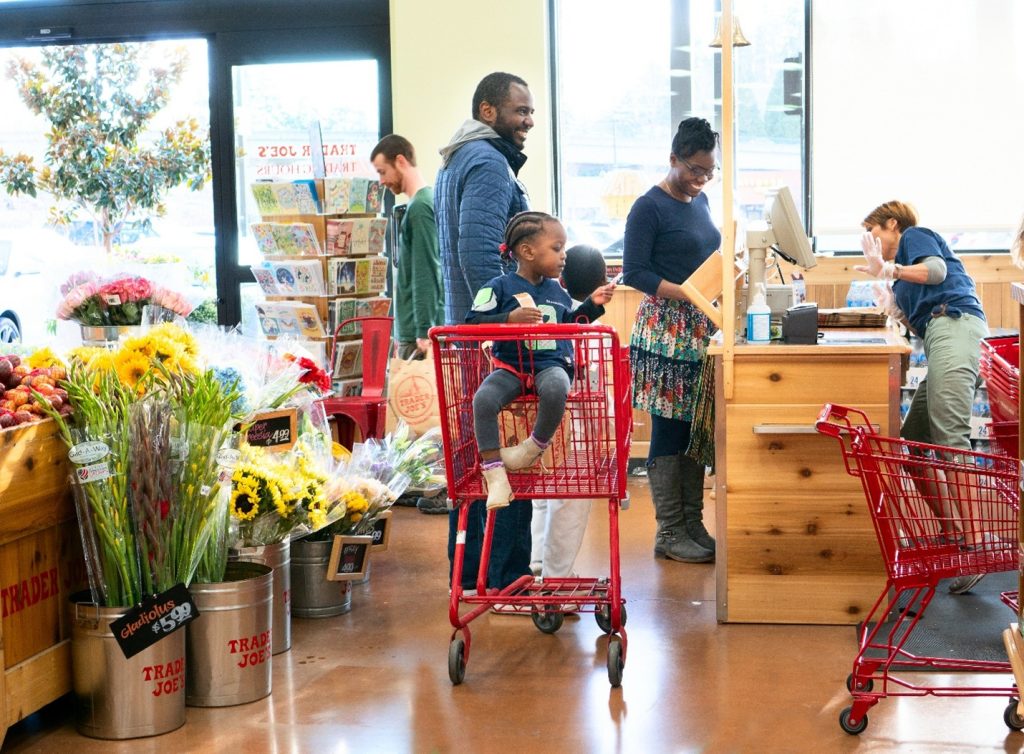
This empowerment model has helped Trader Joe’s achieve some of the highest sales per square foot in the grocery industry, while maintaining one of the strongest brand loyalty scores. Customers may not remember the exact refund process, but they remember how easy and human it felt.
3. Measure what actually matters
Example: Zappos
Zappos approaches customer service more like hospitality than a typical contact center: it doesn’t track agents on-call time or push scripted conversations. According to Procognita, Zappos’s customer support teams are empowered to handle calls without scripts and aren’t measured on the number of calls they complete, giving them freedom to connect personally with callers and solve problems comprehensively rather than just quickly.
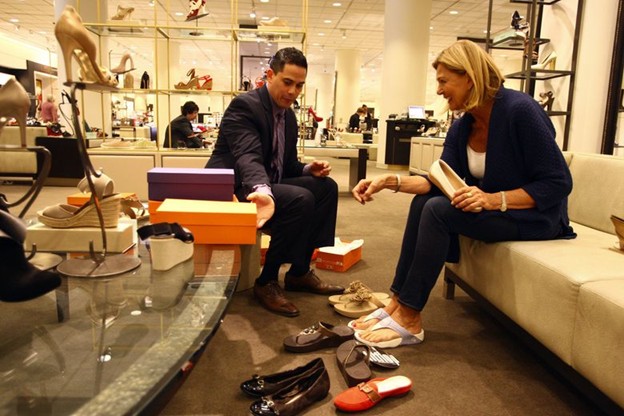
That culture of relationship-driven service contributes to deeper customer loyalty, with Zappos customers returning repeatedly and spreading positive word of mouth, exactly the emotional impact hospitality seeks to create.
The main takeaway
You don’t need white tablecloths or concierge desks to deliver hospitality-level customer experience. Nor do you need to be a national chain or large corporation. These concepts apply to any business of any size, from a local mom and pop to a larger regional player.
What you need is:
-
- Permission for employees to think
-
- Attention to emotional outcomes
-
- A focus on anticipation, not reaction
The businesses that win in the next decade won’t be the ones with the most features. They’ll be the ones that make people feel seen, respected, and confident in their choice.
Hospitality has been doing that for years.
The question is whether the rest of the business world is ready to learn from it.
